
Preparing for a CT Scan: What Patients and Families Should Know
A non-contrast head CT uses X-rays to create detailed images of the brain and skull. The scan helps doctors spot bleeding, swelling, or other changes inside the skull after a sudden event such as intracerebral hemorrhage. No dye is given for a basic non-contrast study. The entire process usually lasts only a few minutes.
Patients lie flat on a narrow table that slides into the round opening of the CT machine, called the gantry. A technician speaks through an intercom and asks the patient to stay still while the table moves slowly through the ring. The X-ray tube spins once around the head and the scan finishes in seconds.
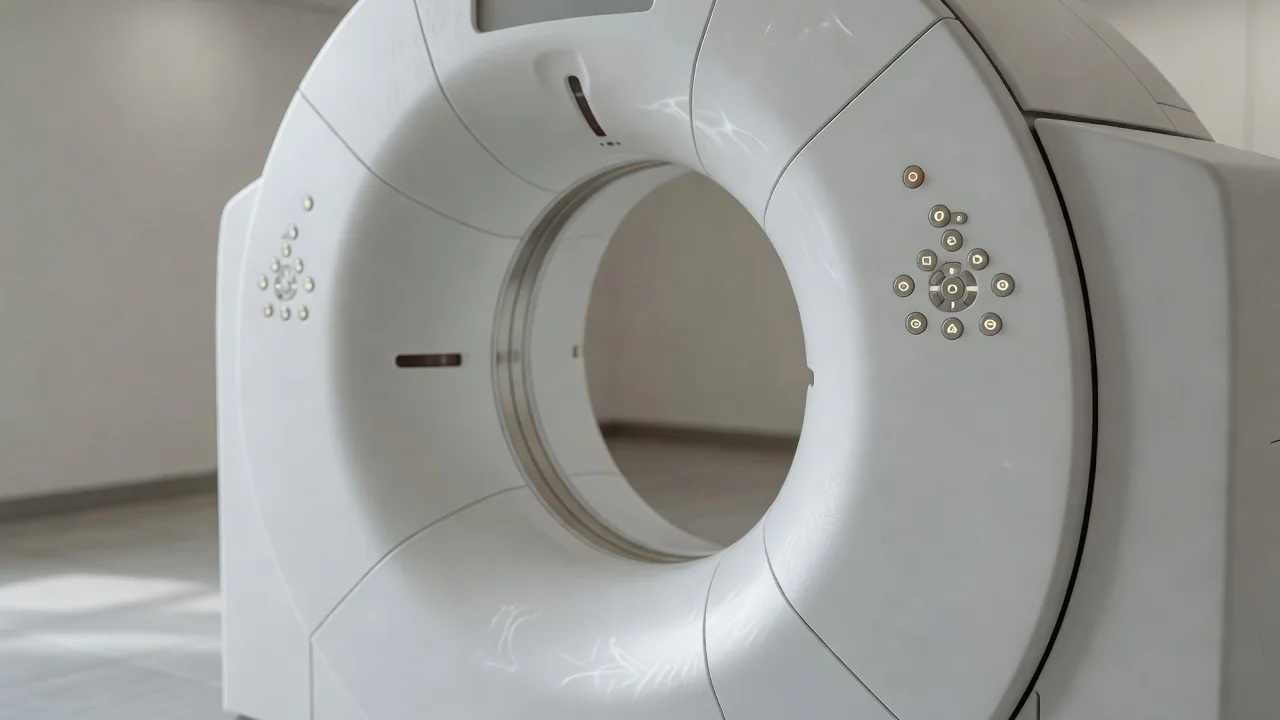
Non-Contrast Versus Contrast CT
Non-contrast head CT is the first test when doctors suspect bleeding. It shows fresh blood as bright white areas measured in Hounsfield units. Contrast dye is sometimes added later to look at blood vessels or tumors, but it is not needed for the initial check after hemorrhage. The ABC2-SPH score, which estimates 30-day mortality, relies on non-contrast images to measure hematoma volume with the ABC/2 method.
Metal Objects and Jewelry
All metal must be removed before the scan. Earrings, necklaces, hairpins, and dentures can create streaks that hide important details. Patients with implanted devices such as pacemakers or deep brain stimulators should tell the team in advance. Most modern implants are safe, yet the radiographer needs to know the exact model.
Pregnancy and Radiation Safety
Doctors avoid CT during pregnancy when possible because of the small radiation dose to the unborn child. In an emergency such as suspected hemorrhage the scan is done immediately because the benefit outweighs the risk. A lead apron may be placed over the abdomen for women of childbearing age when the scan is planned.
Claustrophobia, Noise, and Staying Still
The gantry opening is wide and short, so most people do not feel closed in. The machine makes a soft whirring sound but no loud banging like an MRI. Patients who feel anxious can ask for a mild sedative if the scan is scheduled. Lying still for less than 30 seconds is all that is required for a head study.
Eating, Drinking, and Medications
For a non-contrast head CT no fasting is needed. Patients may eat and drink normally and take their usual medicines. When contrast is planned the team may ask about recent meals, kidney function, and allergies to iodine. Families should mention any history of kidney disease or previous reactions to contrast before the appointment.
- Remove all jewelry and metal hair accessories before entering the scan room.
- Inform the technician about any implanted medical devices.
- Ask questions about contrast if the doctor has ordered it.
- Tell staff early about pregnancy, kidney problems, or severe anxiety.
- Bring a list of current medications to every radiology visit.
- Remember that emergency scans for hemorrhage need no preparation at all.
Emergency Scans for Suspected Hemorrhage
When stroke or hemorrhage is suspected the CT scan happens at once. No appointment or special preparation is required. The patient is taken directly from the emergency department to the scanner. Speed matters because early images guide decisions about blood pressure control, reversal of anticoagulation, and further care. The ABC2-SPH mortality score is calculated from these first images using patient age, Glasgow Coma Scale score, hematoma volume in millilitres, presence of intraventricular blood, and whether the bleed is deep or lobar.
| Factor | Details Used in ABC2-SPH |
|---|---|
| Age | Older age raises estimated 30-day mortality risk |
| Glasgow Coma Scale | Lower scores indicate worse level of consciousness |
| Hematoma volume | Measured by ABC/2 method in millilitres on non-contrast CT |
| Intraventricular extension | Blood inside the ventricles worsens outlook |
| Location | Deep bleeds carry higher risk than lobar bleeds |
What Families Can Do Before the Scan
Families stay in the waiting area during the few minutes the scan takes. They can help by reminding the patient to remove metal items and by sharing medical history with the team. Clear information about allergies, kidney function, or anxiety allows the staff to adjust the plan safely. In non-emergency cases the radiographer explains each step and answers questions before the table moves.
No special diet or bowel preparation is needed for a head CT. The head rests in a soft holder that keeps it steady. Most patients describe the experience as quick and painless.
After the Scan
Patients can get up immediately once the table slides out. No recovery time is needed for a non-contrast head CT. The images are sent to the radiologist who reports findings quickly in emergency settings. Results help the treating team decide next steps. Families should ask the doctor to explain the images and any numbers such as hematoma size in millilitres. All treatment choices remain with the medical team caring for the patient.