
ABC2-SPH Mortality Score: Plain-Language Guide for Families
When a loved one is in the neuro-ICU, families crave clarity more than anything. The ABC2-SPH Mortality Score is one tool doctors use to understand how serious the situation is. It combines simple factors like age, blood pressure, consciousness level, and other vital signs into a single number that estimates the chance of survival. Think of it like a weather forecast for recovery: it gives probabilities, not guarantees.
Doctors don’t expect families to memorize medical formulas. What matters is turning those numbers into everyday language that respects both honesty and hope. The score ranges from 0 to 10, with higher numbers pointing to greater risk. A score of 3 might mean roughly a 15% chance of dying in the hospital, while a 7 could suggest around 60%. These are estimates based on groups of similar patients, not crystal balls for one person.
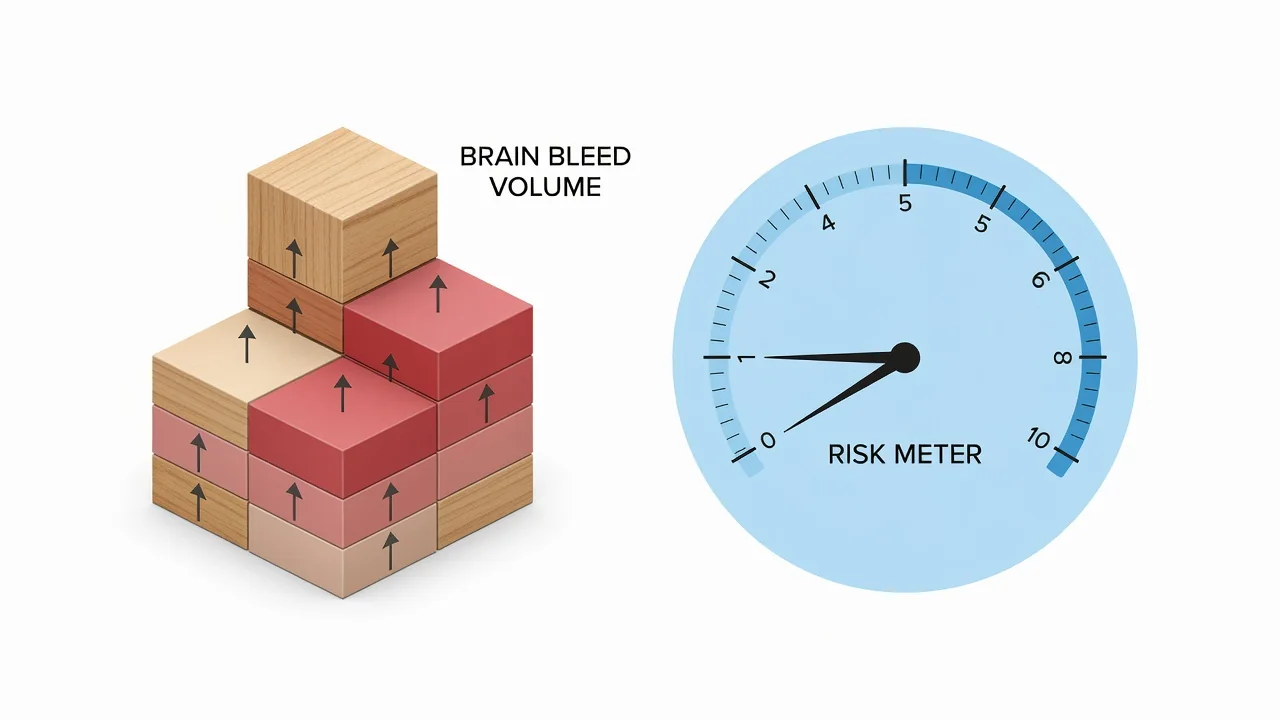
Turning Numbers into Pictures Families Can Hold Onto
Visual analogies help more than percentages alone. You might say, “If we imagine 100 people with this same score, about 75 would leave the hospital alive and 25 would not. Your mother is in that group of 100, but we won’t know which side of the line she lands on until we see how she responds to treatment.” Another helpful image is a road trip: “A low score is like driving with a full tank and clear roads. A higher score means we’ve hit traffic and the fuel gauge is lower, so we’re watching closely and may need to take different routes.”
Staff should always pair the score with what they are actively doing. Families feel less helpless when they hear concrete next steps rather than abstract odds.
Sample Scripts You Can Adapt
Here are phrases that real neuro-ICU teams have found useful:
- “The score helps us prepare, not predict. Right now it tells us your husband has about a one-in-three chance of facing serious complications. We’re doing everything possible to move those odds in his favor.”
- “This number is like a snapshot taken on day one. As we treat the swelling and watch his responses, the picture can change. We’ll update you every day.”
- “I wish I could tell you exact percentages for your daughter specifically. What I can say is that with this score, most families in your situation choose to focus on two things: comfort and time together. Would it help if we talked about what that could look like?”
Framing the Conversation with Honesty and Humanity
The best communicators avoid both false optimism and blunt despair. They use “we” language that includes the family in the journey. Instead of “There’s a 70% mortality risk,” try “This score suggests a tough road ahead for seven out of ten patients like him. That’s why we’re already talking with the palliative care team so we can support both his comfort and your family’s needs.”
Body language matters too. Sit down, make eye contact, and leave space for silence after you share difficult information. Many families later remember how the news was delivered more than the exact numbers.
| Score Range | What It Usually Means | Plain-English Example |
|---|---|---|
| 0–2 | Lower risk | “Most people with this score do well and go home. We’ll keep a close watch, but the signs are encouraging.” |
| 3–5 | Moderate risk | “About one in three patients face serious setbacks. We’re fighting hard with medicines and therapy to improve those chances.” |
| 6–10 | Higher risk | “The odds are more challenging now. Our focus is keeping him comfortable while we help your family make the decisions that matter most to you.” |
Remember that the ABC2-SPH score is only one piece of the puzzle. A patient’s age, overall health before the brain injury, and how they respond to early treatment often tell us more than any single number. Share that with families. It reminds them that their loved one is a person, not a statistic.
Good communication in the neuro-ICU means translating data into dignity. When families understand the score in plain language, they can participate in decisions with clearer eyes and less fear. That small shift—from jargon to conversation—can make an enormous difference in the hardest days of their lives.