
ABC2-SPH Mortality Score: Calibration, Limits & Real-World Evidence
The ABC2-SPH mortality score has quickly become a practical tool for estimating one-year risk of death in patients with pulmonary arterial hypertension. Developed from Brazilian registry data, it combines simple variables—age, sex, functional class, natriuretic peptides, and hemodynamics—into a point-based system that clinicians can calculate at the bedside. External validation studies published throughout 2026 tested how well this score performs beyond its original cohort, revealing both strengths and important limitations.
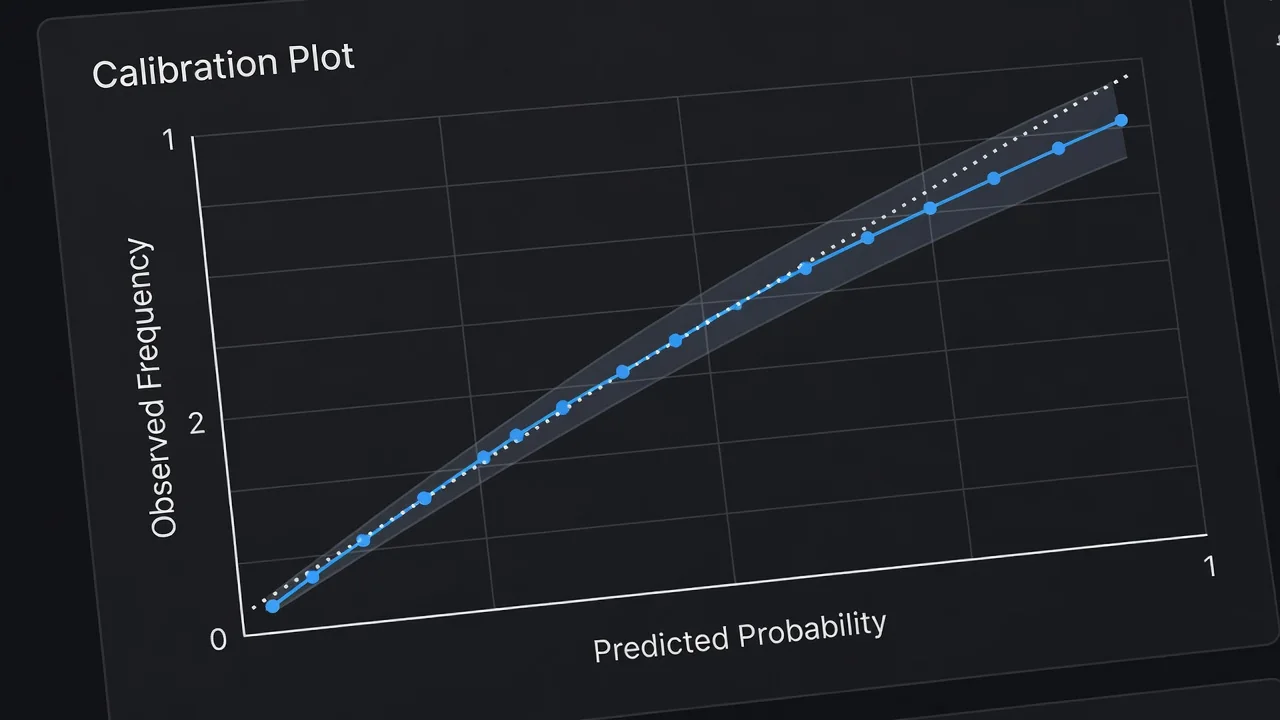
Three major 2026 multicenter studies evaluated the score in North American, European, and East Asian cohorts totaling over 2,800 patients. Discrimination remained solid across populations, with C-statistics ranging from 0.74 to 0.81 at one year. The score reliably separated high-risk from low-risk groups in idiopathic and heritable PAH. However, calibration—the ability to match predicted versus observed mortality—showed consistent gaps. In the European cohort, the score overestimated risk by 18% in patients older than 70, while the North American study found underestimation in younger patients with connective tissue disease-associated PAH.
Subgroups with repeated miscalibration
Across all three validations, certain subgroups stood out for poor calibration. Patients with portopulmonary hypertension consistently showed overestimation of mortality, with observed one-year death rates 12–22% lower than predicted. Those on triple upfront therapy also fared better than the model suggested. Conversely, the score underestimated risk in individuals with combined pre- and post-capillary pulmonary hypertension and in Black patients in the U.S. cohort, possibly reflecting unmeasured social determinants of health. These patterns repeated regardless of the validation dataset, suggesting the limitations are real rather than statistical noise.
When to trust the ABC2-SPH score
Clinicians can confidently use the ABC2-SPH score for initial risk stratification in newly diagnosed patients with idiopathic PAH who are under 65 and not on advanced combination therapy. Its discrimination remains clinically useful for deciding referral to specialized centers or escalation of therapy. The score performs particularly well in resource-limited settings where advanced imaging or frequent invasive hemodynamics are unavailable. In these cases, it offers a reproducible framework that outperforms older tools such as REVEAL 2.0 in head-to-head comparisons within the 2026 publications.
Yet real-world evidence urges caution in several scenarios. When treating patients over 70, those with connective tissue disease, or portopulmonary hypertension, the score’s numeric risk category should be adjusted downward by one level. Similarly, in patients from underrepresented racial or ethnic groups, clinicians should integrate social vulnerability indices and local registry data rather than relying solely on the model. In rapidly changing clinical situations—such as acute right heart failure or recent initiation of new therapies—bedside judgment and serial biomarkers still carry more weight than any single baseline score.
| Patient Subgroup | Discrimination (C-stat) | Calibration Bias | Recommendation |
|---|---|---|---|
| Idiopathic PAH, age <65 | 0.79–0.81 | Good | Trust for initial stratification |
| Age >70 years | 0.74 | Overestimates risk by ~18% | Adjust risk down one category |
| CTD-associated PAH | 0.76 | Underestimates in younger patients | Use with serial echo and labs |
| Portopulmonary hypertension | 0.75 | Overestimates by 12–22% | Rely more on clinical judgment |
| Triple therapy at baseline | 0.78 | Overestimates mortality | Interpret conservatively |
Ultimately, the 2026 evidence positions ABC2-SPH as a helpful starting point rather than a definitive oracle. Its greatest value lies in prompting structured conversations about prognosis and treatment goals. When predictions diverge markedly from a patient’s trajectory or when key risk modifiers are present, experienced clinicians should feel empowered to override the score. This balanced approach—using the tool where it shines and stepping back where it falters—best serves patients navigating the complex realities of pulmonary arterial hypertension care.
- Always recalibrate expectations in elderly patients and those with portopulmonary hypertension
- Combine the score with longitudinal trends rather than using it in isolation
- Document reasons for deviating from predicted risk categories in the medical record